
Ephemera
Collection Index
Pune Terracotta Figures
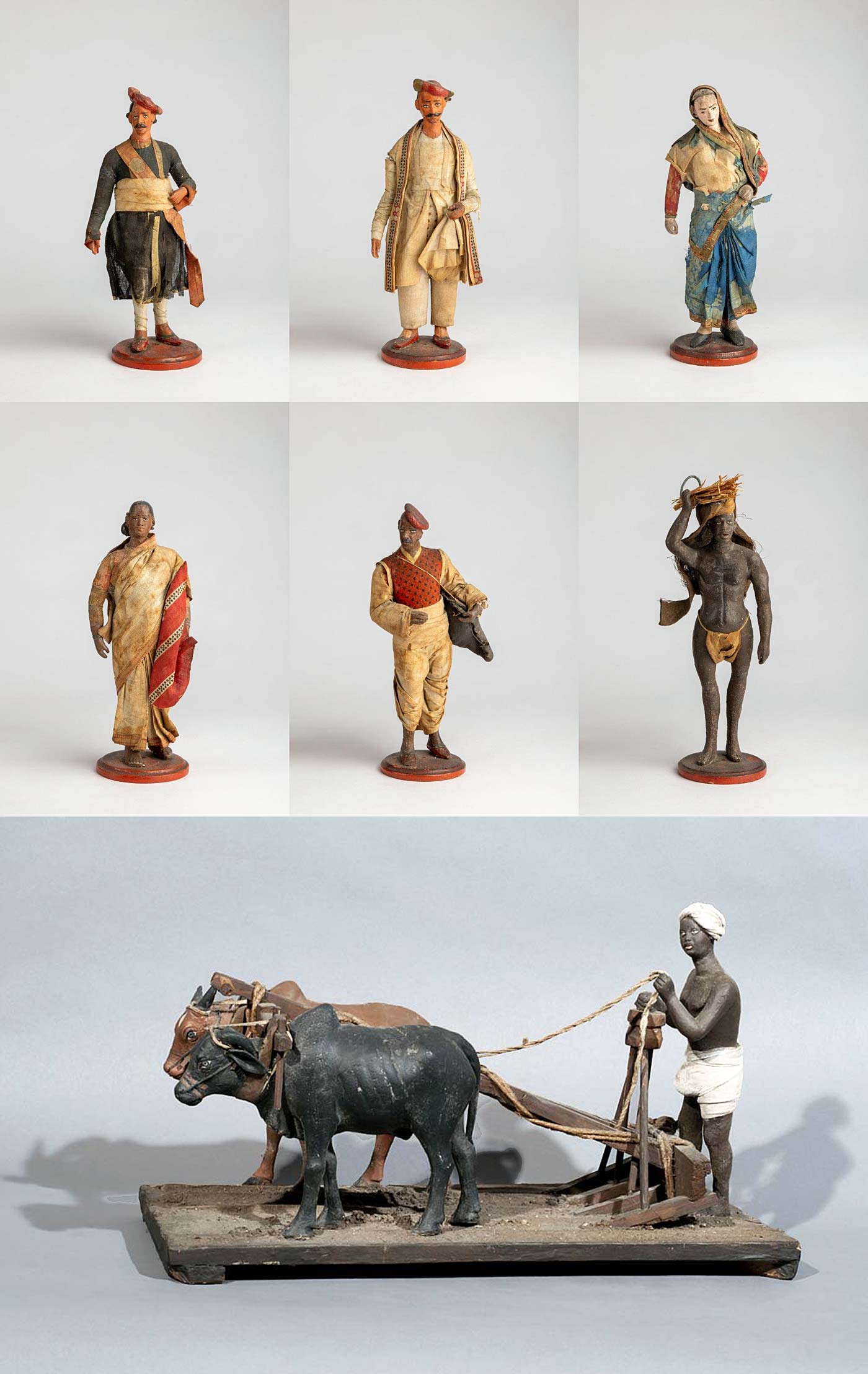
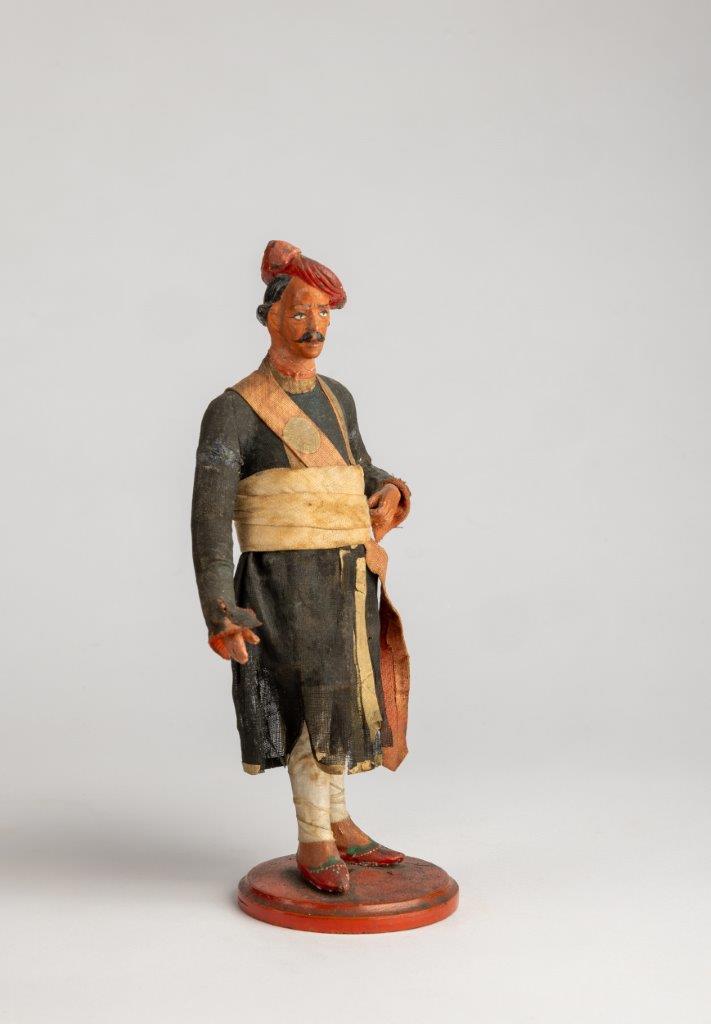
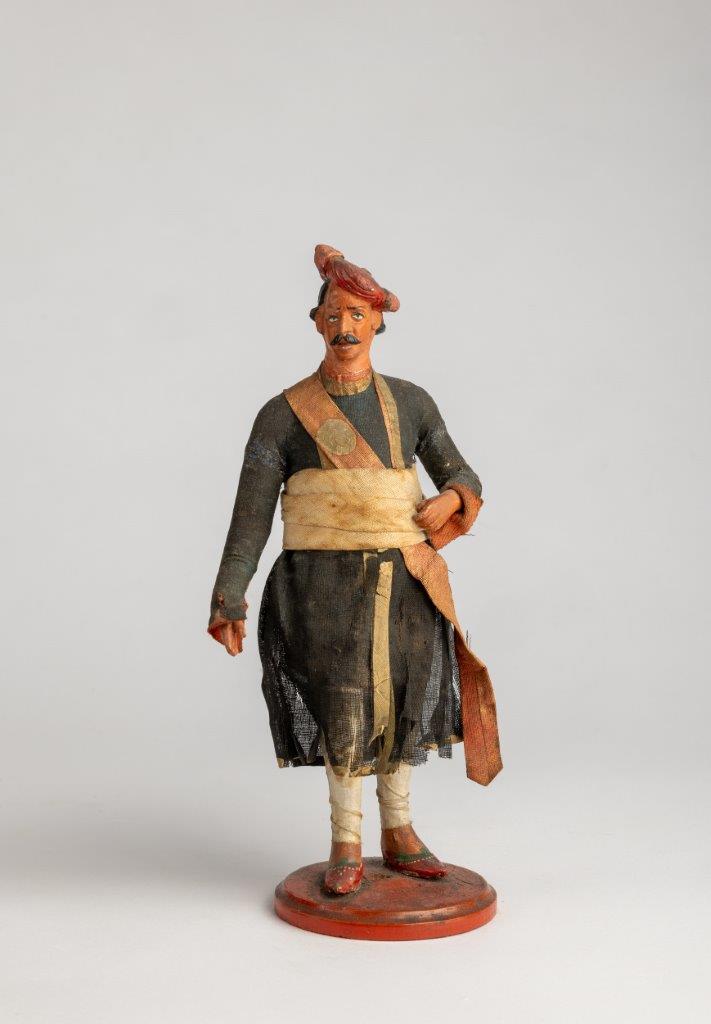
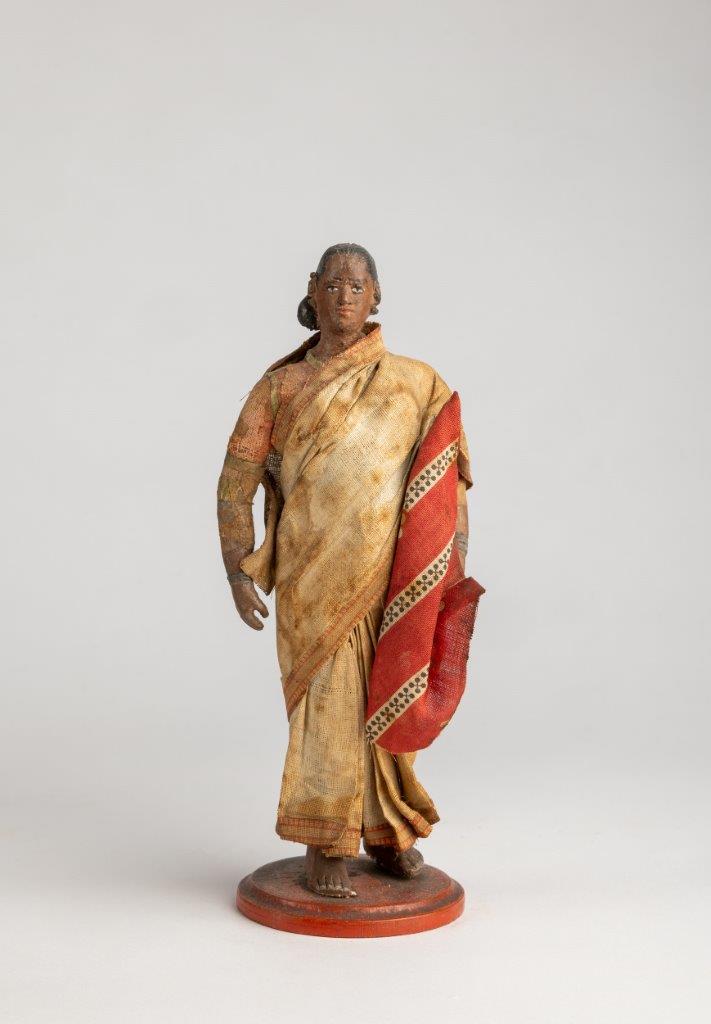
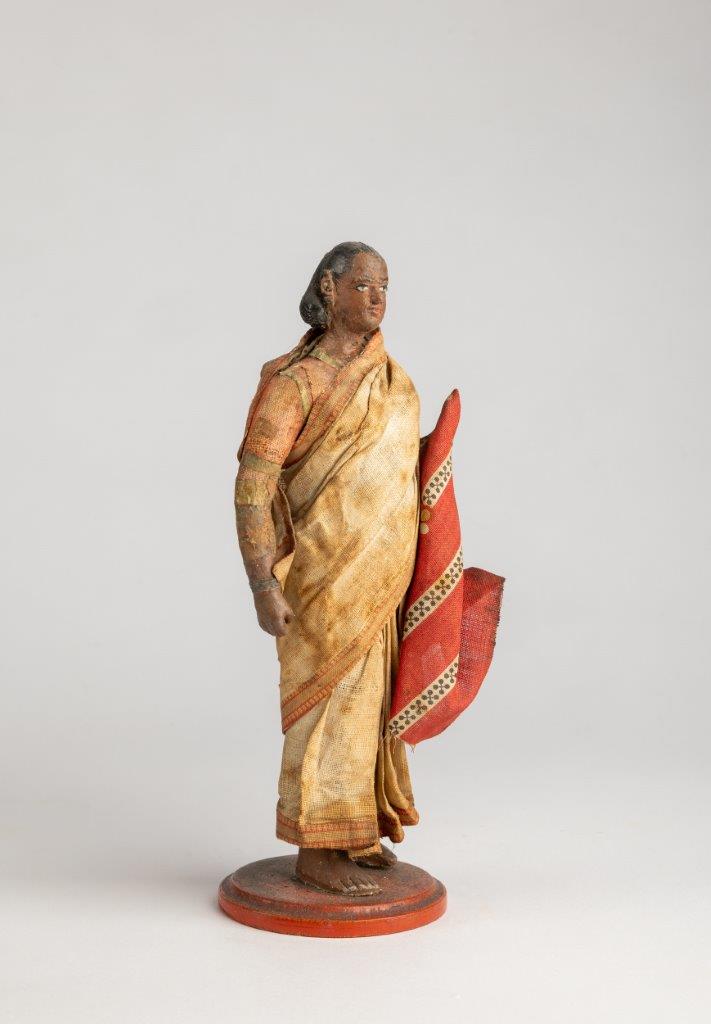
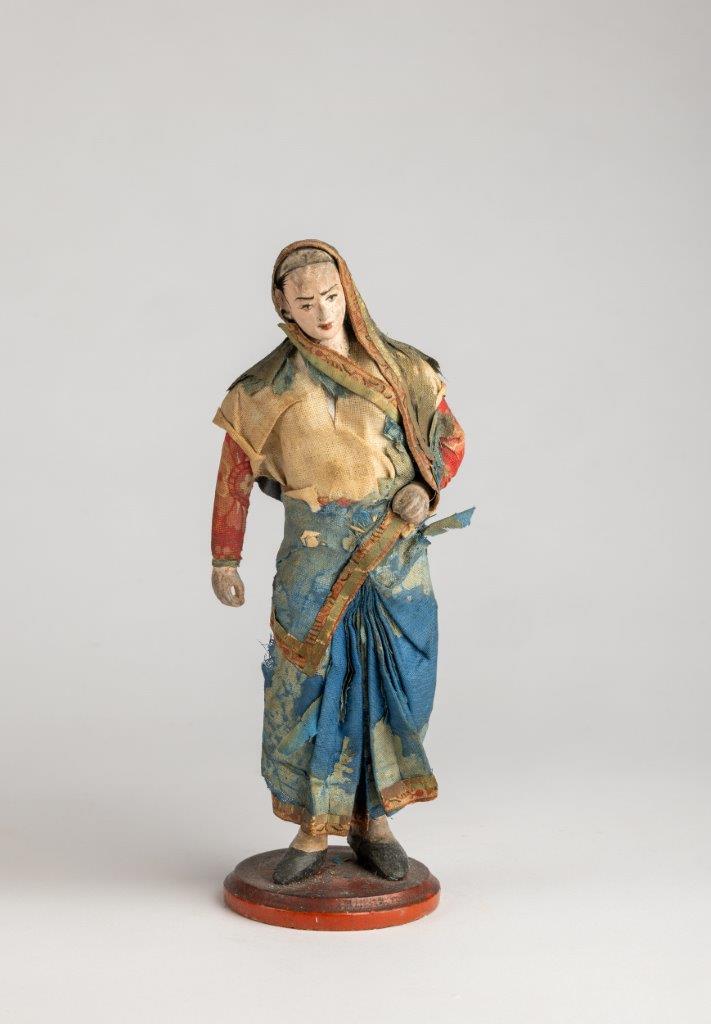
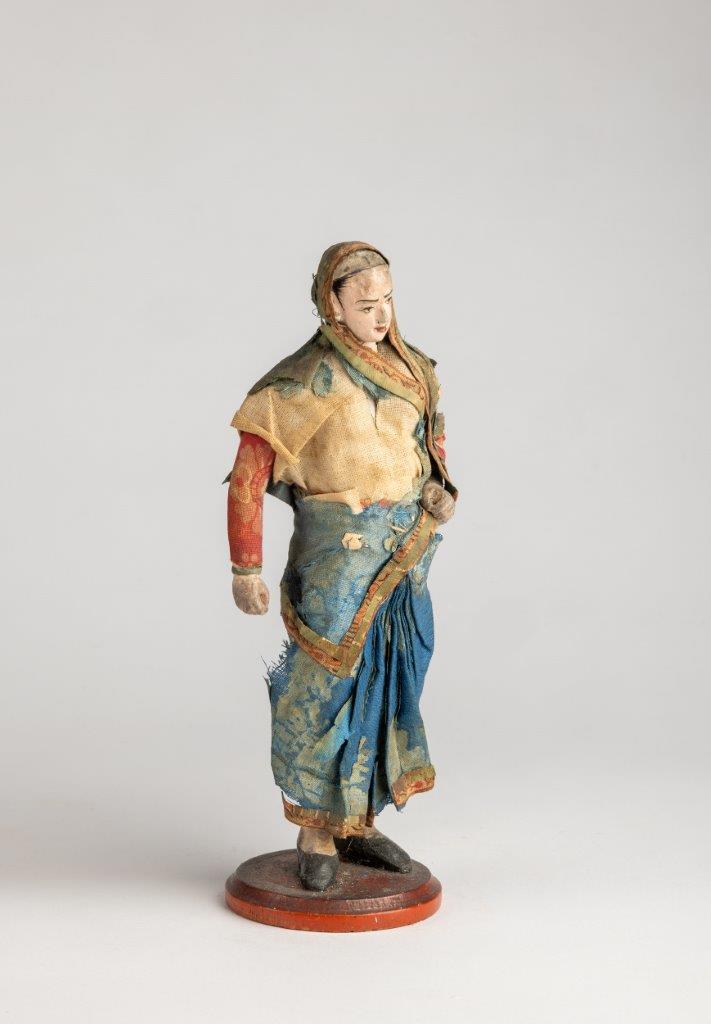
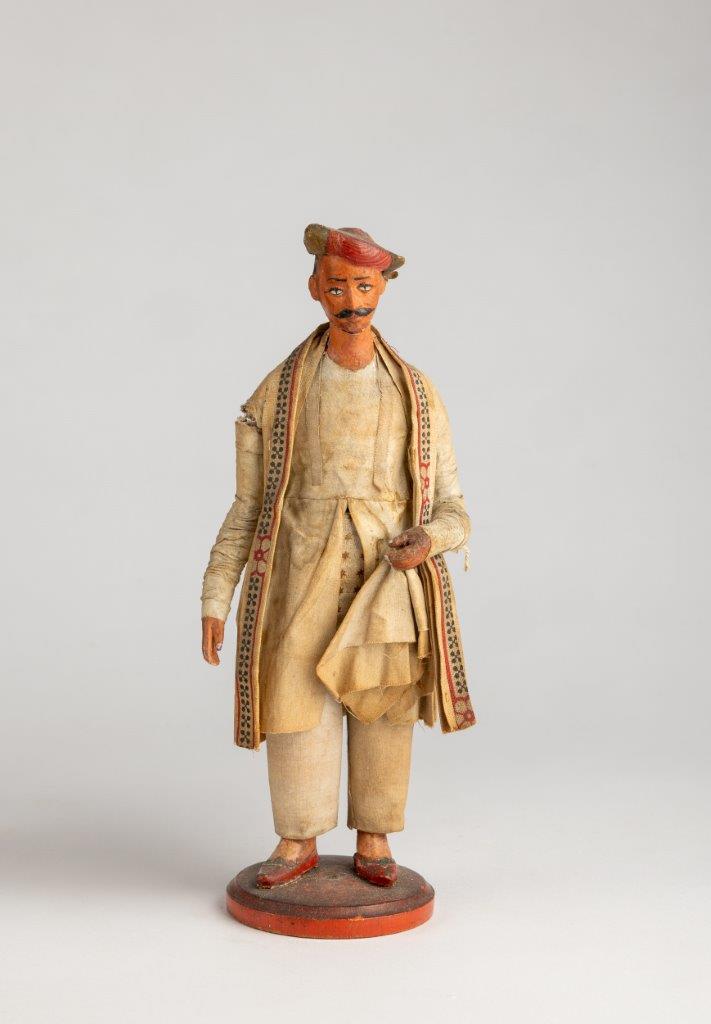
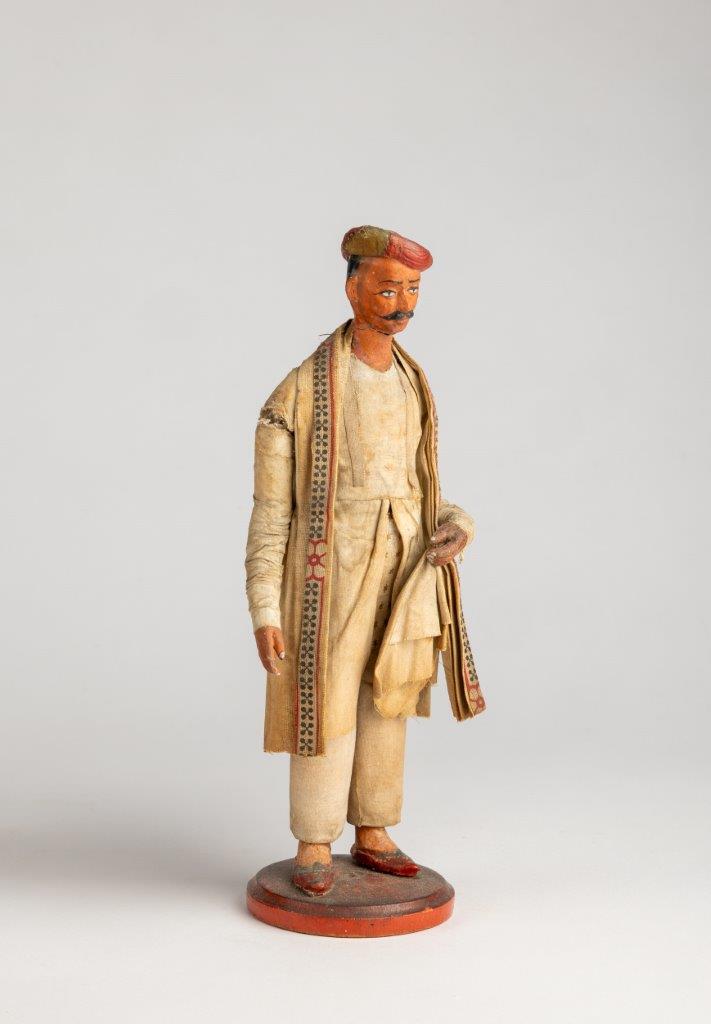
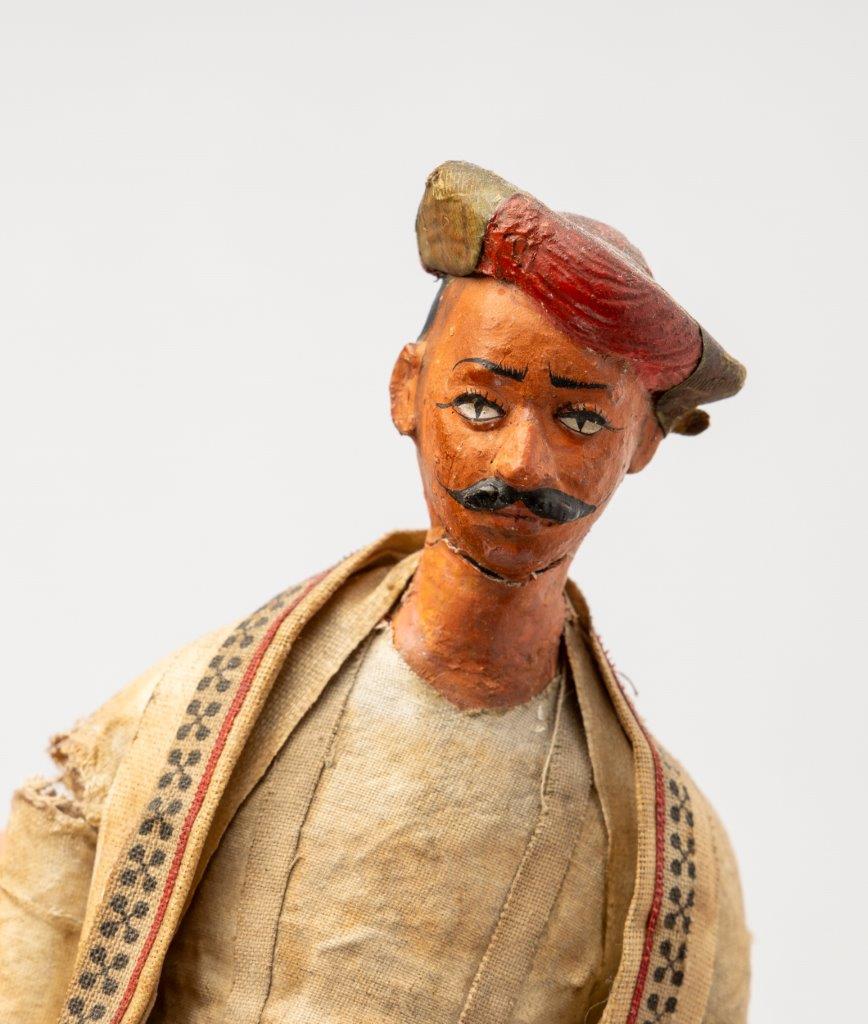
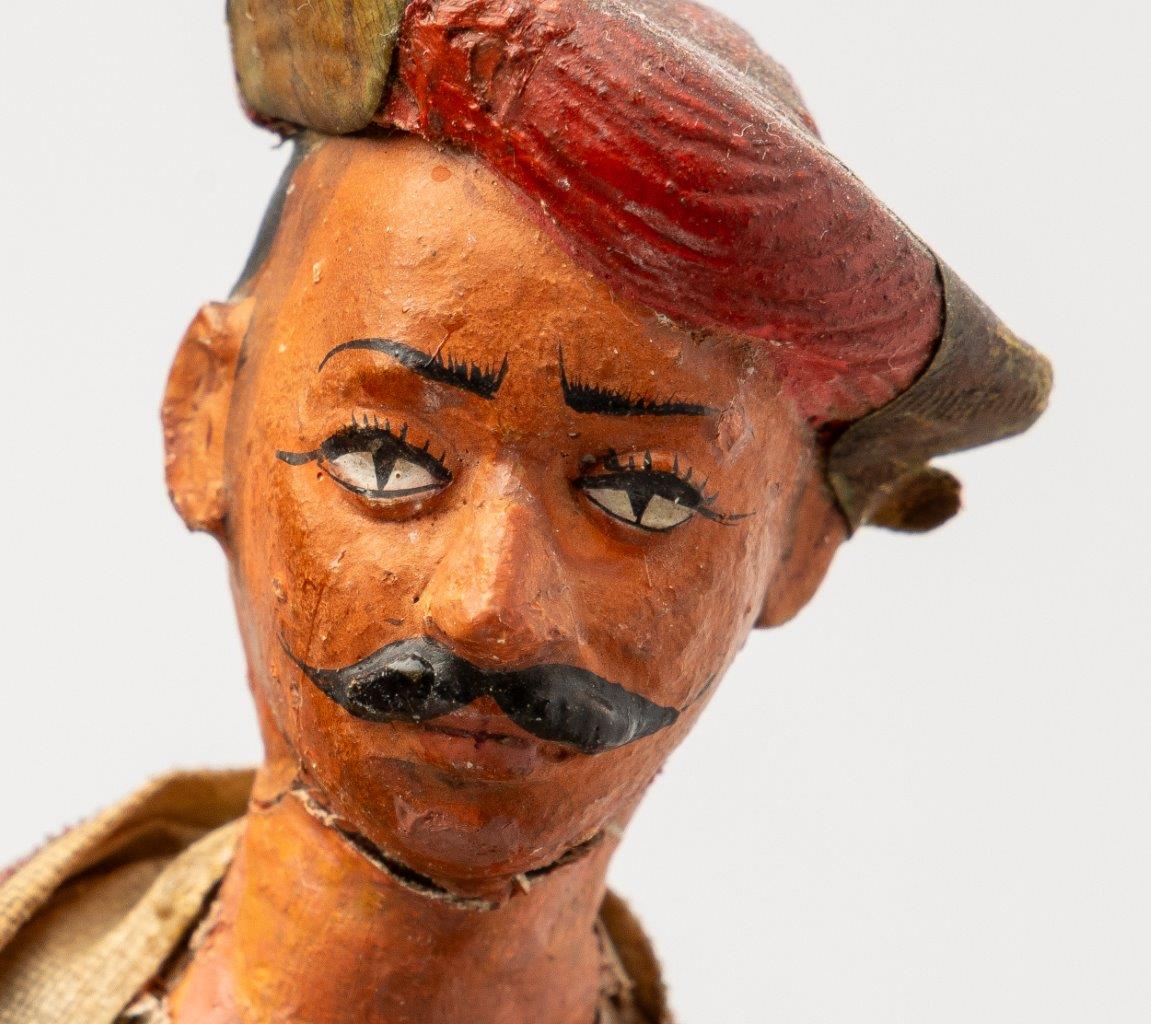
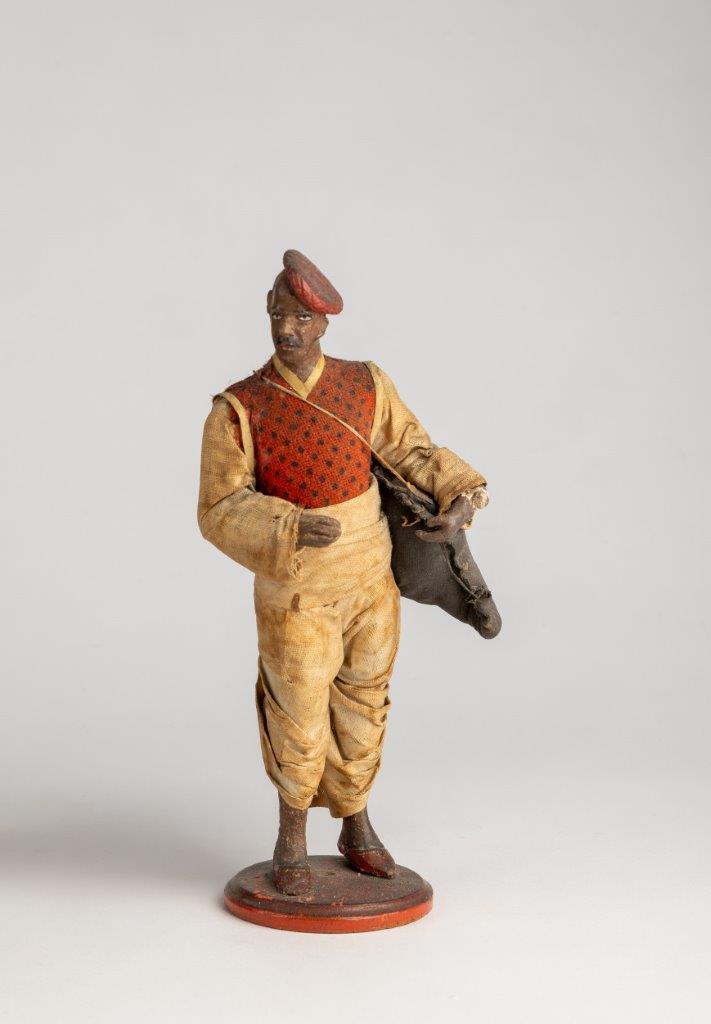
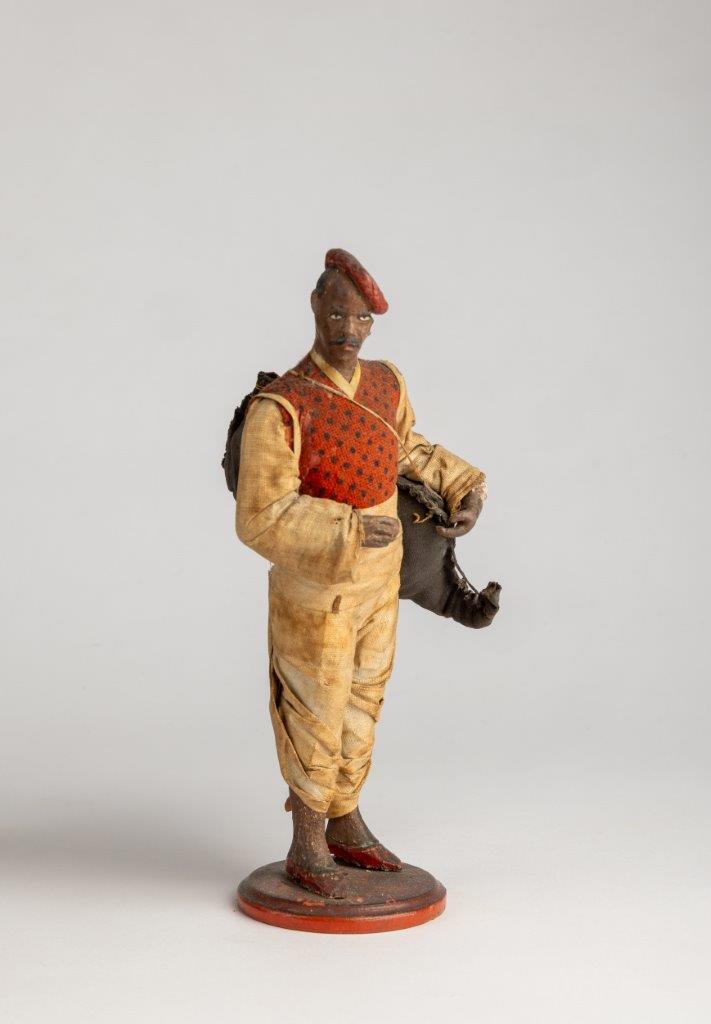
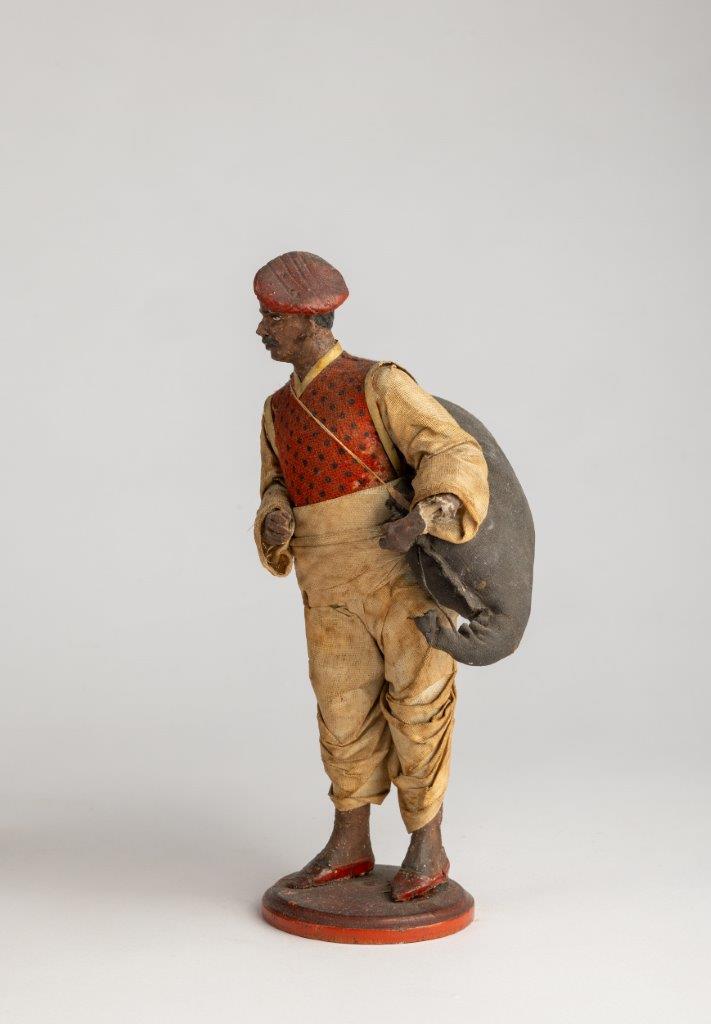
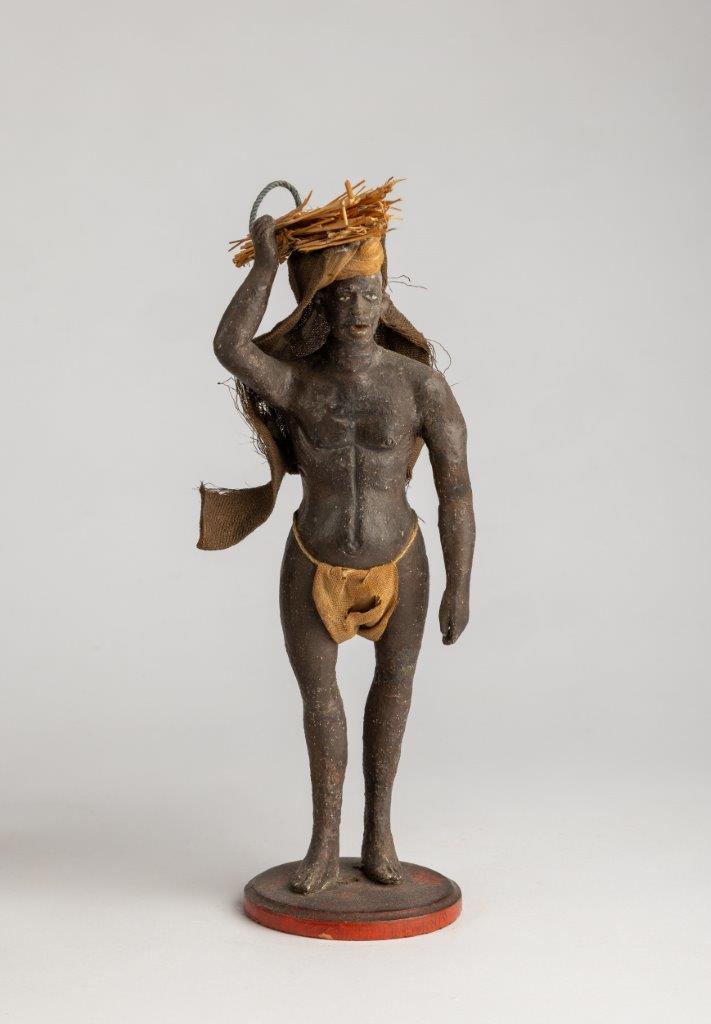
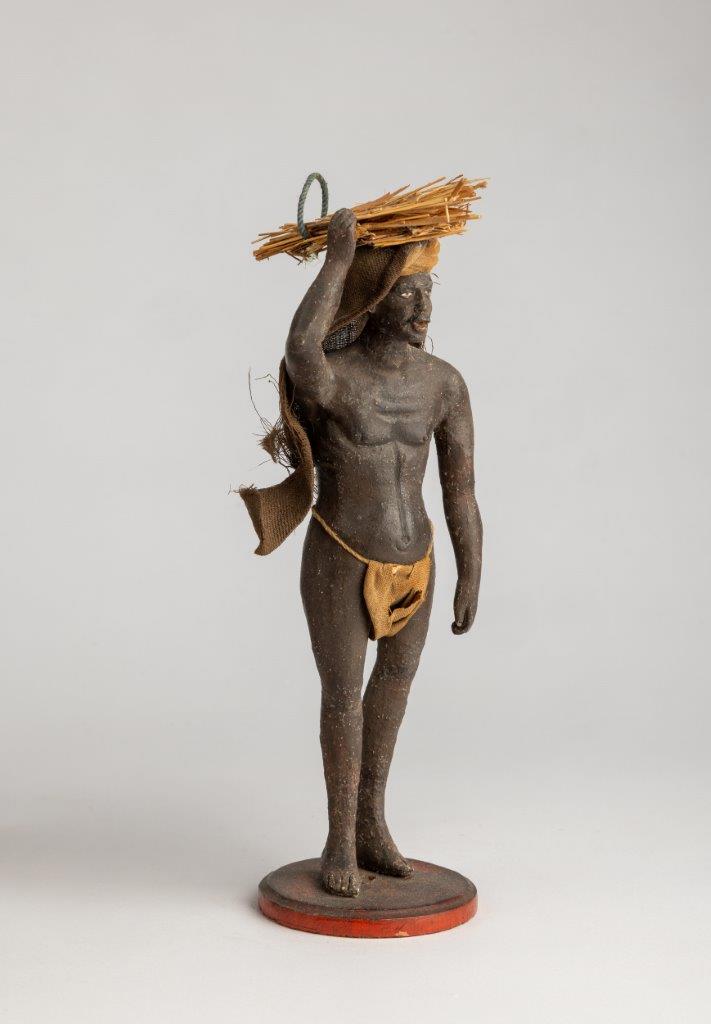
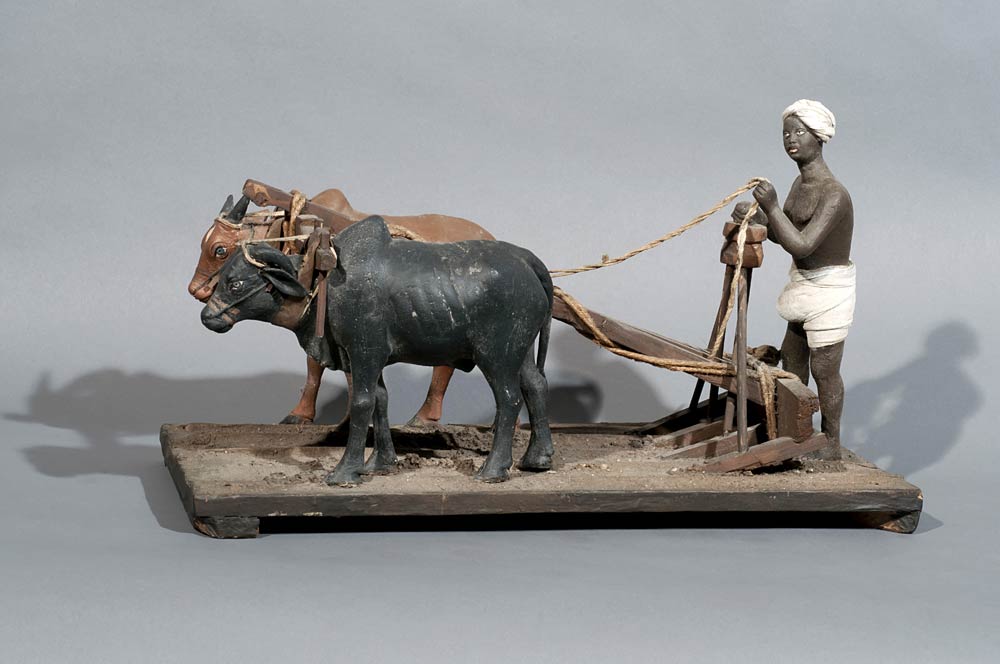
Pune Terracotta Figures
Circa 1850
Height x 21 cms
Set of seven figures made at Pune in the Bombay Presidency, perhaps by a modeler such as Sitaram Joshi.
These figures resemble those made by Jadu Nath Pal in Krishnagar, both in their superior finish and in the practice of using specially-woven cloth for their dresses.Clay Figures of Krishnanagar (Nadia District, West Bengal)
The clay figures of Krishnanagar gained importance in Bengal under the rule of Maharaja Krishnachandra Ray (1710 ~ 1782). The clay modelers here were not the locals but they were either brought from Dacca or Natore by Maharaja Krishnachandra. They were settled at Ghurni, a suburb of Krishnanagar. Ghurni, located near river Jalangi (locally known as Khoray) provided them fine clay required for clay modelling. These clay modellers were brought primarily for religious image-making. However, European influence and patronage gave this art fresh impetus. Krishnanagar started creating realistic clay models that received international recognition.
Krishnanagar figures were created by modelling coils of clay collected from river banks over a metal armature. For finer features of the figure like fingers, clay was mixed with cotton wool to avoid breakage. The head was made by pressing clay into molds and figures were attached to clay bases via the metal armature. These figures were then fired in a brick kiln. Cracks that develop during the firing were filled with paper and glue. The figures were then painted with natural pigments like indigo, turmeric, red ochre, charcoal etc., and finally decorated using hair made of sheep’s wool, and pieces of cloth for dresses. These figures are notable for the realistic appearance and facial expressions.
Pune (Poona) Clay Figures
Pune in the Bombay Presidency was yet another centre of realistic clay figures. The Poona clay figures, much like the Krishnanagar ones, have superior finish and used pieces of cloth for dresses. T.N. Mukharji mentions that Bapuji Supekar, a jingar (a leather saddle-maker) and Kaluram Govandi (a brick layer) first opened shops in Poona to sell their clay figures. Mukharji also mentions names of modellers like Tatya Vevhari, Sitaram Joshi, Daji Narayan, Sukhram Seth Sonar, Raghopant and Maroti Gurav. The CSMVS has a significant collection of these Poona clay figures of early 20th century depicting different communities. Similar to Krishnanagar, Puna clay figures were also made of fine clay and mixed with cotton to avoid breakage. Different parts of the figures were hand modeled separately and joined with wooden pegs and clay paste. The complete figure was then attached to a wooden base. These figures were sun-dried and then painted with mineral colours and in some cases pieces of cloth were used for dresses, turbans etc. Occasionally body hair was added. Interestingly the accessories indicating the professions of the figures were made from materials in actual use in the professions, like the paper bundles in the hands of a clerk, wood cutter with a bundle of wood, a metal needle and thread in the hands of a tailor, all tools used by a jeweller. Dr. Bhau Daji Lad Museum, Mumbai, has several clay figures in its collection that depict the people, lifestyles, occupations and culture of Bombay of late 19th ~ early 20th century. The models were made at the museum probably by local artists in early 1900s. However, these figures do not have the finished look of the Puna clay figures.